
Various holistic and lifestyle interventions can work alongside traditional methods to reduce anxiety symptoms, such as physical activity, mindfulness practices, a nutritious diet, sleep hygiene, complementary therapies, and environmental and social factors. Find out how you can integrate them into your life and how BlueCrest Health Group supports this whole-person approach.
Key Takeaways
- Various holistic and lifestyle changes can help with anxiety disorders, including mindfulness practices, physical activity, a nutritious diet, sleep hygiene, complementary therapies, and environmental and social factors.
- While these therapies are helpful, they can’t replace traditional treatment. Rather, they work alongside traditional treatment to support better outcomes.
- The evidence varies by approach, but several holistic practices, including exercise and mindfulness, are backed by strong clinical research.
Table of Contents
- What Does Holistic and Lifestyle Treatment Mean?
- How Does Physical Activity and Exercise Reduce Anxiety?
- Can Mindfulness and Meditation Manage Anxiety Disorders?
- Do Mind-Body Movement Practices Help Anxiety?
- Can Better Sleep Reduce Anxiety?
- Do Diet and Nutrition Matter?
- Which Supplements and Herbal Remedies Help?
- What Complementary Therapies Should I Try?
- How Do Environmental and Social Factors Impact Anxiety?
- What Should I Do If Lifestyle Changes Aren’t Enough?
- BlueCrest Health Group Can Help You Reach Your Wellness Goals
- FAQs
Introduction
According to National Institute of Mental Health (NIMH) data, an estimated 19.1% of U.S. adults had an anxiety disorder in the past year, or roughly 1 in 5. Traditional treatments, such as talk therapy, can help with emotional regulation and can be even more effective when combined with holistic practices and lifestyle changes. These approaches may not fit the typical ‘evidence-based’ model, but studies support their results.
This article explores these treatment options for people with anxiety disorders and provides clinical evidence that supports their effectiveness.
What Does Holistic and Lifestyle Treatment Mean?
When we talk about holistic and lifestyle interventions, we mean whole-person approaches that affect the body, mind, habits, and environment. “Lifestyle medicine” is often integrated, such as:
- Nutrition: Mostly whole, minimally processed, plant-predominant eating
- Physical activity: Regular movement and exercise
- Restorative sleep: Consistent, quality sleep
- Stress management: Practices like mindfulness, breathing, and relaxation
- Avoiding risky substances: Limiting alcohol and not using tobacco
- Positive social connection: Strong relationships and community
These approaches should not replace traditional therapies, like talk therapy, but they can increase their effectiveness.
Medical studies have documented the impact of these treatments, though results vary by approach.
How Does Physical Activity and Exercise Reduce Anxiety?
Exercise regulates stress hormones like cortisol and boosts mood-related brain chemicals like serotonin and endorphins. It also acclimates the body’s response to the physical symptoms of anxiety, such as a racing heart and heavy breathing, so they feel less threatening.
In a randomized trial of 286 primary care patients with anxiety, a 12-week group exercise program made improvement in anxiety symptoms 3.62 times more likely at low intensity and 4.88 times more likely at higher intensity, compared with a control group.
Here are some tips that can help you become more physically active.
- Take a brisk 20–30 minute walk most days of the week
- Add two short strength-training sessions a week using bodyweight moves or light weights
- Join a group class or running club for structure and accountability
- Break up long stretches of sitting with short movement breaks
Can Mindfulness and Meditation Manage Anxiety Disorders?
Mindfulness helps people with anxiety disorders focus on the present, so they don’t worry as much about the past and future. It also helps them notice anxious feelings without reacting. Slow breathing techniques, which are common mindfulness practices, activate the parasympathetic system, the body’s ‘rest and digest’ mode.
In a Georgetown University randomized trial published in JAMA Psychiatry, an 8-week Mindfulness-Based Stress Reduction (MBSR) program was as effective as escitalopram, a first-line anxiety medication, for adults with anxiety disorders.
Here are some ways to make mindfulness part of your daily life:
- Start with 5–10 minutes of guided meditation each morning
- Try a structured MBSR course, in person or online
- Use slow breathing (such as a 4-second inhale and 6-second exhale) during stressful moments
- Practice mindful routines, like eating or walking without your phone
Do Mind-Body Movement Practices Help Anxiety?
Mind-body movement practices, like yoga, tai chi, and muscle relaxation techniques, reduce anxiety because they require controlled breathing and focused attention, which calm the body’s stress response and ease muscle tension.
In a randomized trial of 226 adults with generalized anxiety disorder, 54% of those who practiced Kundalini yoga had meaningful symptom improvement after three months, compared with 33% in a stress-education group. CBT still performed better, at 71%.
You can make mind-body movement part of your routine by integrating it as follows:
- Take a beginner yoga or tai chi class once or twice a week
- Follow a 15-minute yoga video at home before bed
- Practice progressive muscle relaxation, tensing and releasing each muscle group
- Pair gentle stretching with slow breathing during work breaks
Can Better Sleep Reduce Anxiety?
Deep non-REM sleep restores balance in the brain, affecting the prefrontal cortex, which helps keep anxiety in check and prevents emotional centers from becoming overactive. UC Berkeley researchers found that a single sleepless night can raise anxiety levels by up to 30%, while deep sleep appears to calm the anxious brain.
Here are some ways to improve your sleep habits:
- Keep the same sleep and wake times, even on weekends
- Put screens away 30–60 minutes before bed
- Keep the bedroom cool, dark, and quiet
- Ask a provider about CBT for insomnia (CBT-I) if sleep problems persist
Do Diet and Nutrition Matter?
One of the most practical steps for reducing anxiety is limiting caffeine and alcohol. Caffeine can make anxiety worse, causing symptoms like nervousness and jitteriness. In a meta-analysis of caffeine challenge studies, 51.1% of people with panic disorder had a panic attack after a high dose of caffeine, while none did after a placebo.
Alcohol may seem to calm nerves at first, but it can cause rebound anxiety as it wears off.
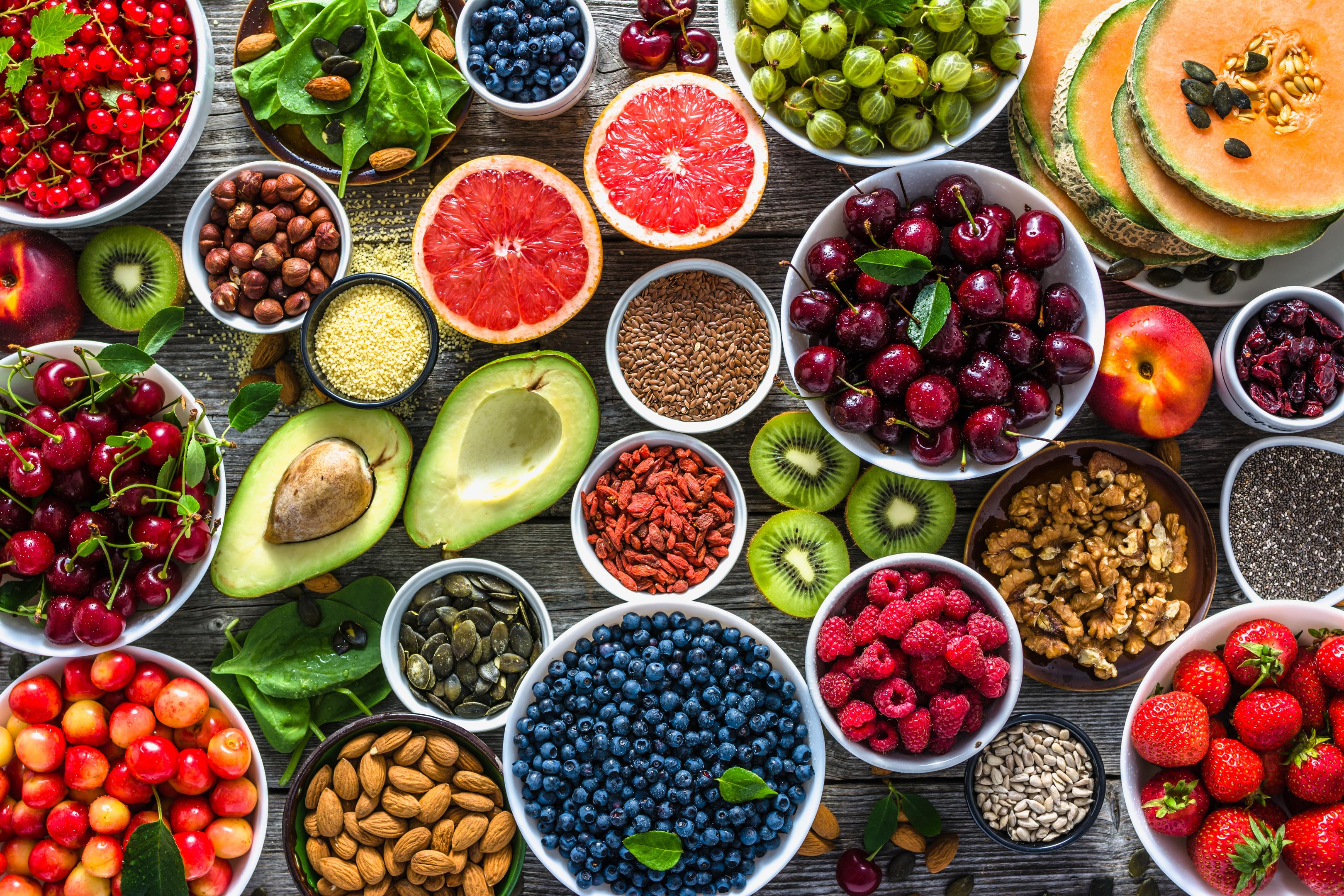
Some evidence shows that a nutrient-rich diet can steady blood sugar and support stable mood and energy. Researchers are also studying how the gut-brain connection may affect anxiety.
Ways to build it into daily life:
- Gradually cut back on coffee, energy drinks, and pre-workout supplements
- Limit alcohol, especially as a way to cope with stress
- Eat regular, balanced meals with protein, fiber, and healthy fats
- Build meals around Mediterranean-style foods like vegetables, fish, beans, nuts, and olive oil
Which Supplements and Herbal Remedies Help?
Some herbal remedies and supplements appear to act on the same nervous system pathways that anxiety medications target. However, results vary by product, and some carry real risks.
For example, kava has been linked to liver damage, and St. John’s wort interacts with many medications. Meanwhile, a meta-analysis of five placebo-controlled trials with 1,213 adults found that people taking a specific standardized lavender oil capsule (Silexan) were 1.34 times more likely than those on placebo to see their anxiety scores drop by half or more.
If you decide to try supplements and herbal remedies, here are some tips that guide safe and effective use:
- Talk with a doctor or pharmacist before starting any supplement
- Choose products with third-party testing seals, such as USP or NSF
- Try calming options like chamomile tea as part of an evening routine
- Track symptoms to see whether a supplement is actually helping
What Complementary Therapies Should I Try?
Complementary therapies like acupuncture, massage, and biofeedback may reduce muscle tension, slow heart rate, and shift the body out of fight-or-flight mode. Biofeedback, specifically, teaches people to recognize and control their own stress signals.
While research is limited, a 2025 meta-analysis of 14 randomized trials with 968 adults with generalized anxiety disorder found that real acupuncture reduced anxiety more than sham acupuncture.
Here are some ways to integrate complementary therapies to treat anxiety disorder.
- See a licensed acupuncturist for a short course of sessions
- Schedule regular massage, especially during high-stress periods
- Ask a provider about heart rate variability (HRV) biofeedback
- Use lavender or other calming scents as part of a wind-down routine
How Do Environmental and Social Factors Impact Anxiety?
Time in nature lowers psychological stress and breaks rumination cycles. Social connection has a similar effect and reduces isolation that can worsen mental disorders. Meanwhile, constant news and screen exposure can make anxiety worse.
A meta-analysis of 50 studies found that structured outdoor activities, such as gardening and green exercise, produced large reductions in anxiety. The most effective programs ran 8–12 weeks and included 20–90-minute sessions.
Try the following approaches to ease anxiety:
- Take walks in parks, near water, or on local trails several times a week
- Try gardening, even with a few pots on a balcony
- Schedule regular time with friends, family, or a support group
- Set limits on news and social media, especially before bed
What Should I Do If Lifestyle Changes Aren’t Enough?
Lifestyle changes can improve mood, but they may not be enough to treat diagnosable mental health conditions and severe anxiety. If they aren’t producing meaningful changes, it may be time to see a mental health professional. Typically, they will recommend other therapies alongside your current regimen, such as:
- Evidence-Based Therapies: These include traditional therapies such as cognitive behavioral therapy, dialectical behavior therapy, and exposure therapy for issues like panic disorder or social anxiety disorder. Each teaches clients coping skills that enhance emotional regulation.
- Medications: Some people may also benefit from a medication evaluation with a psychiatrist or primary care provider, and holistic approaches can complement that care.
A mental health provider can also suggest additional lifestyle changes or recommend ways to improve the methods you’re currently integrating.
BlueCrest Health Group Can Help You Reach Your Wellness Goals
BlueCrest assists with anxiety and other mental health conditions, taking a whole-person approach. While offering evidence-based therapies, we also focus on holistic practices to support overall well-being. We combine a holistic, clinical, and spiritual approach, helping people overcome emotional disorders and substance use and achieve long-term recovery.
Contact us to learn more about our comprehensive services.
FAQs
Can lifestyle changes cure anxiety?
Lifestyle changes aren’t a cure on their own, but they can significantly reduce symptoms and improve outcomes when combined with professional treatment.
Is exercise as effective as medication for anxiety?
Research shows regular exercise can meaningfully reduce anxiety symptoms, but it isn’t a direct replacement for medication. For many people, exercise works best alongside other treatments.
How long does it take for holistic approaches to help anxiety?
Some practices, like deep breathing, can bring short-term relief right away. Longer-term changes from exercise, mindfulness, or better sleep usually take several weeks of consistent practice.
When should I seek professional help for anxiety?
Seek help if anxiety interferes with work, relationships, or daily life, if it keeps getting worse, or if you’re having panic attacks or thoughts of self-harm.
What foods help reduce anxiety?
No single food treats anxiety. Balanced eating patterns, like the Mediterranean diet, can support a steadier mood, and so can foods rich in omega-3s, fiber, and complex carbohydrates.
Sources
- Any Anxiety Disorder. National Institute of Mental Health. https://www.nimh.nih.gov/health/statistics/any-anxiety-disorder
- Anxiety Disorders. National Institute of Mental Health. https://www.nimh.nih.gov/health/topics/anxiety-disorders
- Anxiety Disorders Fact Sheet. World Health Organization. https://www.who.int/news-room/fact-sheets/detail/anxiety-disorders
- Anxiety Effectively Treated With Exercise. University of Gothenburg. https://www.gu.se/en/news/anxiety-effectively-treated-with-exercise
- Henriksson M, et al. Effects of Exercise on Symptoms of Anxiety in Primary Care Patients: A Randomized Controlled Trial. Journal of Affective Disorders. https://www.sciencedirect.com/science/article/pii/S0165032721010739
- Lennartsson AK, et al. One-Year Follow-Up of a Primary Care-Based 12-Week Exercise Intervention for Adults With Anxiety Disorders. Mental Health and Physical Activity. https://www.sciencedirect.com/science/article/pii/S1755296624000565
- Is Exercise a Viable Therapy for Anxiety? Systematic Review of Recent Literature and Critical Analysis. PubMed Central, National Library of Medicine. https://pmc.ncbi.nlm.nih.gov/articles/PMC10674039/
- The Effects of Aerobic and Resistance Exercise on Depression and Anxiety: Systematic Review With Meta-Analysis. PubMed Central, National Library of Medicine. https://pmc.ncbi.nlm.nih.gov/articles/PMC12117297/
- Mindfulness-Based Stress Reduction Is as Effective as an Antidepressant Drug for Treating Anxiety Disorders. Georgetown University Medical Center. https://gumc.georgetown.edu/news-release/mindfulness-based-stress-reduction-is-as-effective-as-an-antidepressant-drug-for-treating-anxiety-disorders/
- Yoga Shown to Improve Anxiety, Study Finds. NYU Langone Health. https://nyulangone.org/news/yoga-shown-improve-anxiety-study-finds
- Simon NM, et al. Efficacy of Yoga vs Cognitive Behavioral Therapy vs Stress Education for the Treatment of Generalized Anxiety Disorder: A Randomized Clinical Trial. JAMA Psychiatry, via PubMed. https://pubmed.ncbi.nlm.nih.gov/32805013/
- Kundalini Yoga Is Helpful for Adults With Generalized Anxiety Disorder but Not as Effective as Cognitive Behavioral Therapy. National Center for Complementary and Integrative Health. https://www.nccih.nih.gov/research/research-results/kundalini-yoga-is-helpful-for-adults-with-generalized-anxiety-disorder-but-not-as-effective-as-cognitive-behavioral-therapy
- Stressed to the Max? Deep Sleep Can Rewire the Anxious Brain. University of California, Berkeley. https://news.berkeley.edu/2019/11/04/deep-sleep-can-rewire-the-anxious-brain/
- Klevebrant L, Frick A. Effects of Caffeine on Anxiety and Panic Attacks in Patients With Panic Disorder: A Systematic Review and Meta-Analysis. General Hospital Psychiatry, via PubMed. https://pubmed.ncbi.nlm.nih.gov/34871964/
- Su KP, et al. Association of Use of Omega-3 Polyunsaturated Fatty Acids With Changes in Severity of Anxiety Symptoms: A Systematic Review and Meta-Analysis. JAMA Network Open, via PubMed Central. https://pmc.ncbi.nlm.nih.gov/articles/PMC6324500/
- Efficacy of Silexan in Patients With Anxiety Disorders: A Meta-Analysis of Randomized, Placebo-Controlled Trials. European Archives of Psychiatry and Clinical Neuroscience, via PubMed. https://pubmed.ncbi.nlm.nih.gov/36717399/
- Effects of Lavender on Anxiety: A Systematic Review and Meta-Analysis. Phytomedicine, via PubMed. https://pubmed.ncbi.nlm.nih.gov/31655395/
- Efficacy of Acupuncture Versus Sham Acupuncture on Generalized Anxiety Disorder: A Meta-Analysis of Randomized Controlled Trials. Frontiers in Neurology, via PubMed. https://pubmed.ncbi.nlm.nih.gov/41312341/
- Yang XY, et al. Effectiveness of Acupuncture on Anxiety Disorder: A Systematic Review and Meta-Analysis of Randomised Controlled Trials. Annals of General Psychiatry, via PubMed Central. https://pmc.ncbi.nlm.nih.gov/articles/PMC7847562/
- Anxiety and Complementary Health Approaches. National Center for Complementary and Integrative Health. https://www.nccih.nih.gov/health/anxiety-and-complementary-health-approaches
- Stress, Anxiety, and Sleep Problems: Considering Complementary Approaches. National Center for Complementary and Integrative Health. https://www.nccih.nih.gov/health/stress-anxiety-and-sleep-problems-considering-complementary-approaches
- Coventry PA, et al. Nature-Based Outdoor Activities for Mental and Physical Health: Systematic Review and Meta-Analysis. SSM – Population Health, via White Rose Research Online. https://eprints.whiterose.ac.uk/178622